
smart frosted glass
How to Change the Main Water Valve A Step-by-Step Guide Changing the main water valve in your home is an essential maintenance task that can prevent water damage and excessive leaks. Whether you're dealing with a malfunctioning valve or simply want to upgrade to a more reliable model, understanding the process is crucial. This guide will walk you through the necessary steps to change your main water valve safely and effectively. Understanding the Main Water Valve The main water valve is a crucial component of your plumbing system, as it controls the flow of water into your home. It’s typically located near where the water line enters your house, often in the basement, crawl space, or outside near the foundation. Knowing how and when to change this valve is important not just for repairs, but for emergencies, such as significant leaks or burst pipes. Tools and Materials You’ll Need Before you begin, gather the necessary tools and materials. You will need - A new main water valve (ensure it’s the correct size and type) - Pipe wrenches or adjustable wrenches - Plumber's tape - A bucket or towels to catch water - Safety glasses and gloves - A pipe cutter (if you need to remove any sections of pipe) Step-by-Step Process 1. Turn Off the Water Supply The first and most crucial step in changing the main water valve is to shut off the water supply to your home. This can usually be done at the municipal supply, often located at the street or in a designated access point. Once you turn this off, open a faucet in the house to allow any remaining pressure to escape, preventing backflow when you remove the valve. how to change main water valve 2. Drain the System To avoid flooding, it’s a good idea to drain the pipes. Open faucets at the highest and lowest points in your home to let any remaining water flow out. This step minimizes water spillage when you remove the old valve. 3. Locate the Valve Find the main water valve; it could be a gate valve or a ball valve. Inspect the connections and surrounding pipes to assess how best to approach the replacement. 4. Remove the Old Valve Using your pipe wrench, loosen the nuts connecting the valve to the pipes. Depending on the type of valve, you may need to cut the pipe if it is soldered or too corroded to remove easily. Be cautious here; ensure your cuts are clean to facilitate a better seal with the new valve. 5. Prepare the New Valve Before installing the new valve, measure the space to ensure a proper fit. Apply plumber’s tape to the threads of the new valve to prevent leaks. This helps create a watertight seal when you attach it to the existing plumbing. 6. Install the New Valve Position the new valve in place, ensuring it’s oriented to allow for the correct flow direction (usually indicated by an arrow on the valve). Tighten the connections with your wrench, ensuring they are snug but not overly tight, which could damage the fittings. 7. Restore Water Supply Once the new valve is securely in place, turn the water supply back on slowly. As you do this, watch for leaks around the fittings. If everything looks good, restore normal water pressure by turning on faucets and letting air escape. 8. Test the System Run water through the system to ensure the new valve is functioning correctly. Check all nearby connections for any signs of leaking. If you notice any drips, you may need to retighten the connections or apply more plumber's tape to ensure a secure fit. Conclusion Changing the main water valve in your home is a straightforward process that can save you from future headaches related to leaks and water damage. By following this step-by-step guide, you can safely replace your valve with confidence. However, if you encounter any complications or are unsure about the process, don’t hesitate to consult a professional plumber. Regular maintenance and timely repairs are key to keeping your plumbing system in optimal condition.
about
smart frosted glass
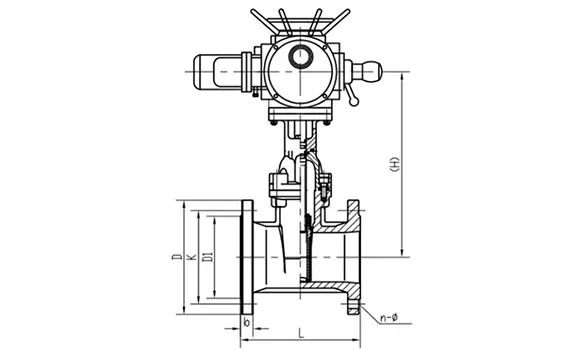
Understanding Gate Valves A Deep Dive into Design and Applications Gate valves play a crucial role in various industries, serving as vital components in pipelines and fluid systems. Their primary function is to start or stop the flow of fluids, making them essential for effective fluid control. In this article, we will explore the design, operation, and applications of gate valves, particularly focusing on the specifications akin to ‘gate valve 2 1 2’. What is a Gate Valve? A gate valve is a type of valve that opens by lifting a round or rectangular gate out of the path of the fluid. Unlike other types of valves that throttle flow, gate valves are primarily designed to be fully open or fully closed. The structure of a gate valve consists of the body, gate, stem, and actuator. The gate is the component that moves up and down to either allow or block the flow of fluid within the pipeline. Design Specifications When referring to a gate valve with specific dimensional notations like ‘2 1 2’, it indicates the valve's nominal size and possibly its pressure rating. A gate valve labeled ‘2 1 2’ typically means that it has a nominal diameter of 2 inches, indicating the size of the pipe it fits into. The ‘1’ may refer to a specific dimension or feature in relation to the design, such as the thickness of the body or the end types (flanged or threaded), while the last ‘2’ could denote specifications about pressure ratings or the type of materials used. Working Mechanism The operation of a gate valve is straightforward. When the handwheel or actuator is turned, the stem connected to the gate moves vertically. As the gate rises, the flow of fluid through the valve is allowed, and when it is lowered, the flow is stopped. This mechanism ensures minimal resistance when the gate valve is in the fully open position, which is beneficial for applications where maintaining flow rates is crucial. gate valve 2 1 2 The sealing surface of the gate valve is one of its most important features. Many gate valves are designed for tight shut-off, using materials such as elastomers or metallic surfaces that engage when the valve is closed, creating a strong seal to prevent leakage. Applications of Gate Valves Gate valves are commonly used in a variety of applications across different industries. They are prevalent in - Water Supply Systems To regulate the supply of water and to isolate sections of the pipeline for maintenance. - Oil and Gas Industries To control the flow of hydrocarbons in pipelines, ensuring safety and efficiency in transmission. - Power Plants Managing the flow of steam or water in boilers, cooling systems, and condensate lines. The preferences for gate valves over other valve types often stem from their ability to handle high-pressure situations and their ease of operation, making them suitable for large-scale industrial applications. Conclusion In summary, gate valves, such as those identified by specific dimensions and ratings like ‘gate valve 2 1 2’, are essential tools for fluid control in various sectors. Their simple yet effective design, coupled with their ability to provide a tight seal and allow high flow rates, make them invaluable. Understanding the specifications and applications of gate valves is crucial for anyone involved in the design, operation, or maintenance of fluid systems. By choosing the right gate valve for the right application, industries can ensure efficient and safety-compliant operations.
-

High quality industrial productsagement

High quality industrial products
View Details -

Meet the diverse needs of customers

Meet the diverse needs of customers
View Details -

Strict quality control

Strict quality control
View Details -

Top raw materials

Top raw materials
View Details -

Trusted supplier

Trusted supplier
View Details
Our application



news and information

Wooden joist hanger connectors for secure structural support.
The Importance of Wood Joist Hangers and Connectors in Construction Wood joist hangers and connecto

Wholesale Solutions for Valves and Related Products in the Industry
Exploring Valve Wholesale An Overview In the world of industrial applications, valves play a crucial

V Blocks Available for Purchase at Competitive Prices
Exploring V Blocks for Sale A Comprehensive Guide In the ever-evolving landscape of technology and
 English